Film sizes we develop
Not sure what type of film you have? Here's a quick look at the four formats we develop.
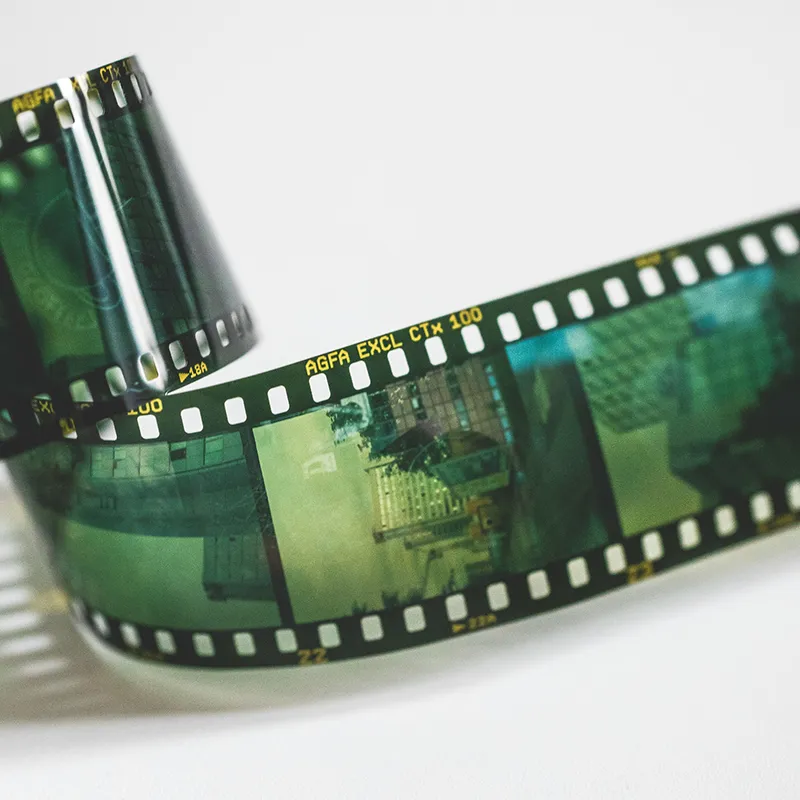
35mm
The most common film format, used in standard point-and-shoot and SLR cameras. Comes in canisters and typically yields 24 or 36 exposures per roll.
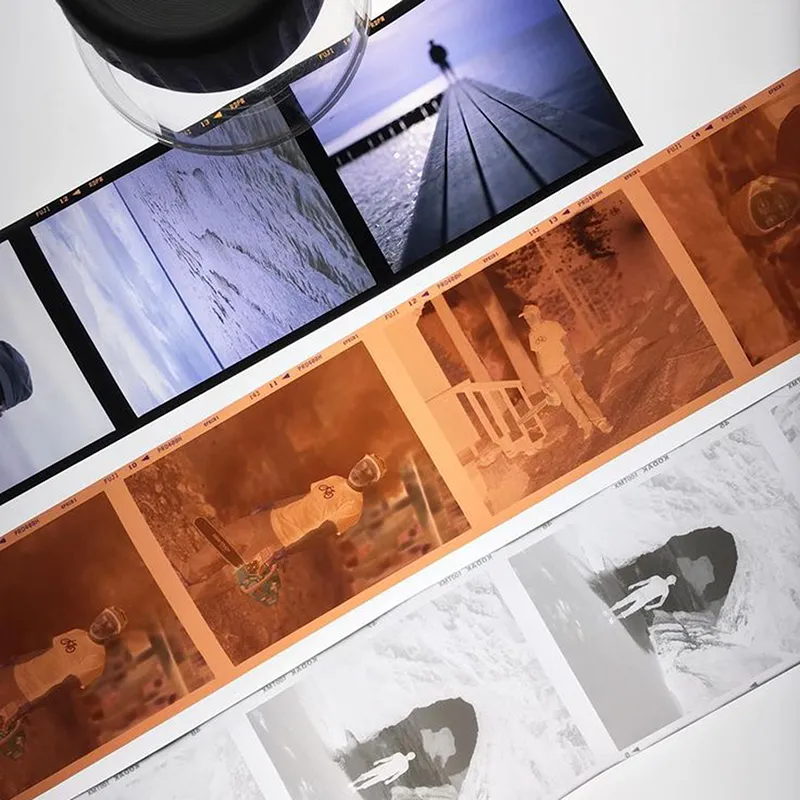
120
A medium-format film used in larger cameras, producing bigger negatives with more detail. Popular among hobbyists and professionals for higher image quality.
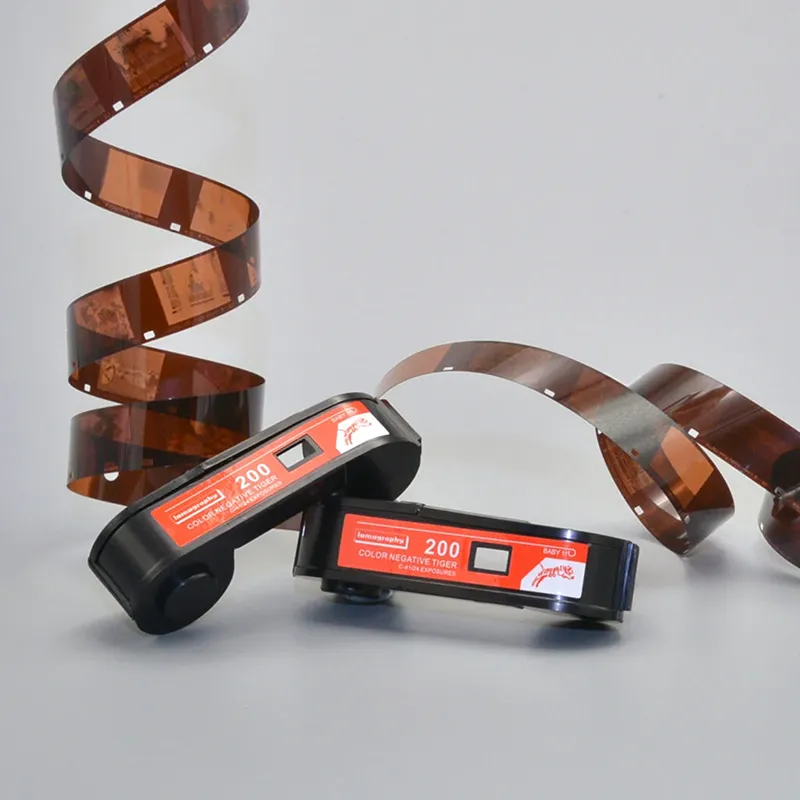
110
A compact cartridge format popular in the 1970s and 80s for small, easy-to-use cameras. Produces smaller negatives with a distinct vintage look.
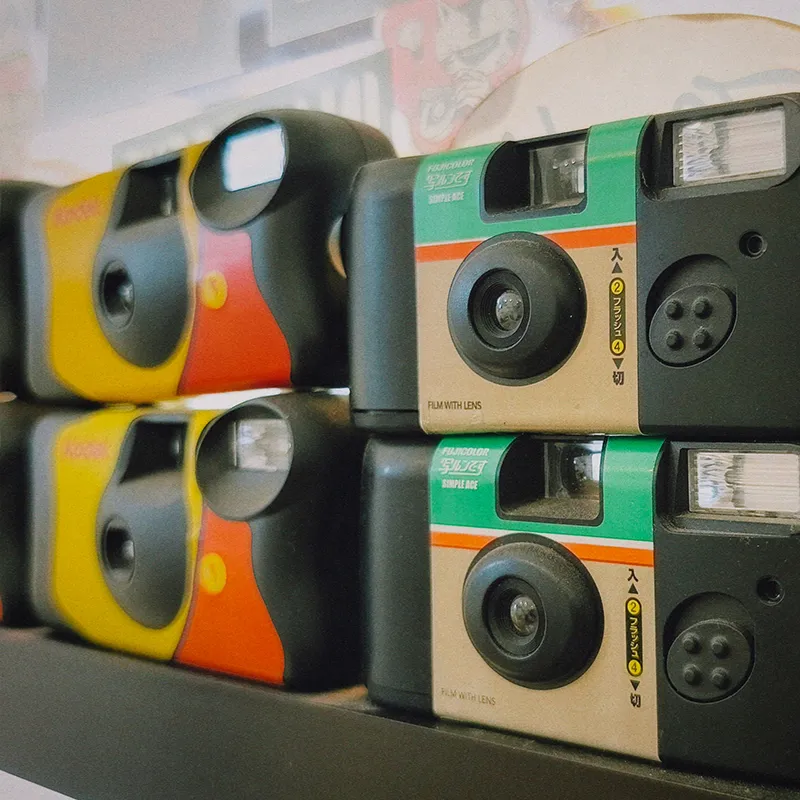
Disposable
Pre-loaded single-use cameras, typically using 35mm film. A fun, low-effort way to capture casual moments, with that classic film charm.