The Complete Guide to Embroidery Digitizing in Louisville KY
T.K. Broecker / 22 March 2026
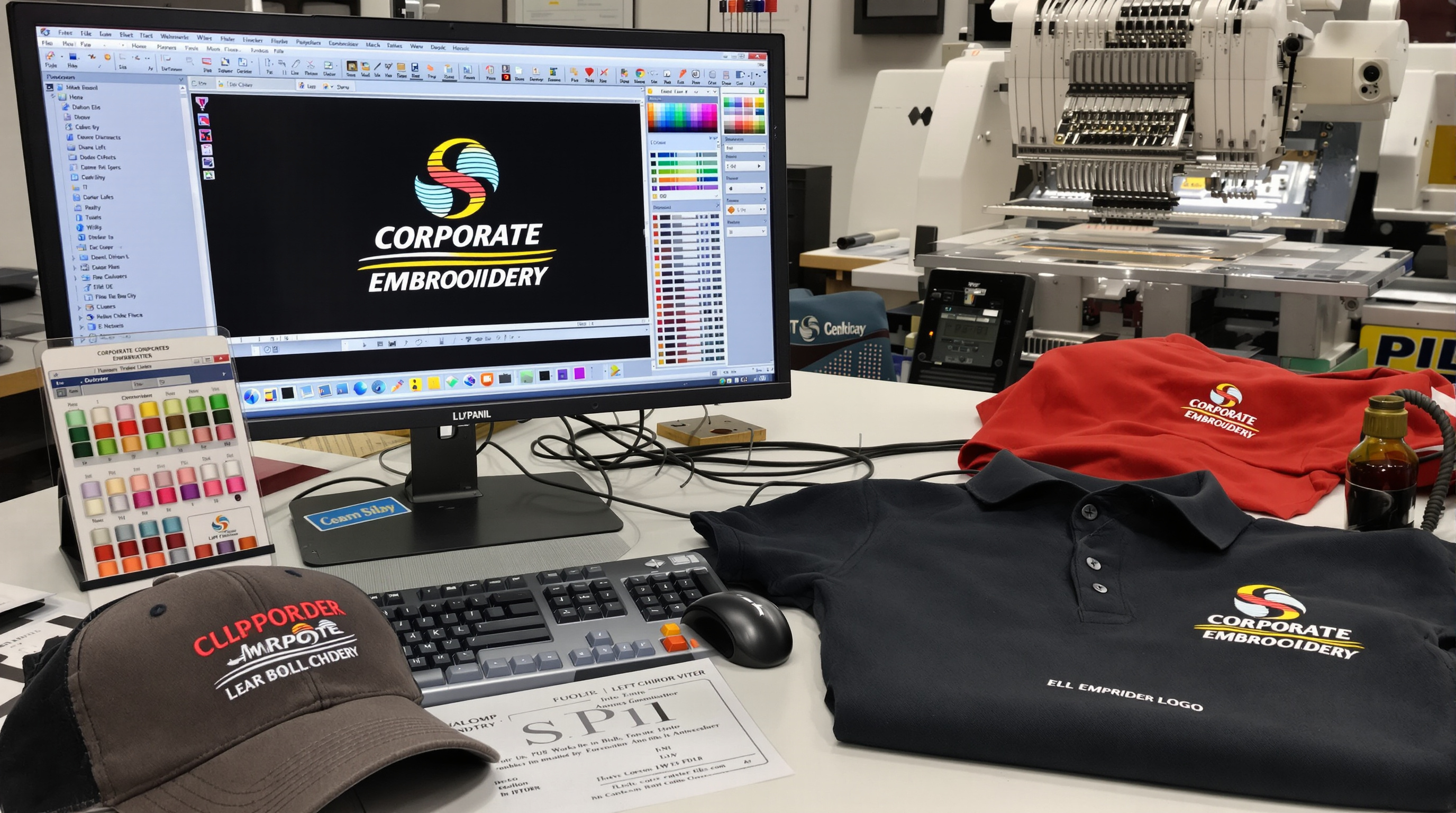
Embroidery Digitizing in Louisville, KY: Files, Sizing, & Pro Standards
Welcome to the ultimate guide for embroidery digitizing in Louisville, Kentucky. Whether you're a local business looking to brand your apparel or an embroidery professional aiming to perfect your craft, understanding the technical aspects of embroidery digitizing is essential. From file requirements to sizing guidelines, this comprehensive resource will help you navigate the intricate world of professional embroidery.
Understanding Embroidery Digitizing Essentials
Embroidery digitizing is the process of converting artwork into a digital file that embroidery machines can read. In Louisville, where both corporate branding and custom apparel are thriving industries, quality digitizing is crucial for professional results.
What makes good digitization
- Proper stitch types for different design elements
- Appropriate underlay stitches for stability
- Strategic stitch direction for texture and dimension
- Optimized stitch count for efficiency without sacrificing quality
Critical Embroidery File Requirements Guide
When preparing artwork for embroidery digitizing in Louisville, adhering to specific file requirements ensures optimal results. Most digitizers prefer vector files (.ai, .eps, .pdf) as they can be scaled without quality loss.
Ideal file formats
- Vector formats: Adobe Illustrator (.ai), EPS, PDF
- High-resolution raster: 300 DPI minimum JPEG, PNG, or TIFF
- Machine-ready formats: .dst, .emb, .pec, .pes, .hus
Include these details
- Color specifications (preferably Pantone codes)
- Intended garment type and fabric
- Placement (left chest, hat front, sleeve, etc.)
- Target finished size (width & height)
Technical Specifications for Professional Embroidery
Minimum Text Size for Embroidery
Text legibility is critical in embroidery. For standard embroidery, text should generally be no smaller than:
| Type | Minimum Height |
|---|---|
| Block lettering | 5-6mm (approximately 0.2 inches) |
| Script or serif fonts | 7-8mm (approximately 0.3 inches) |
Left Chest Logo Embroidery Sizing
For the standard left chest placement popular among Louisville corporate apparel:
- Optimal width: 3-4 inches (7.6-10.2 cm)
- Optimal height: 2-2.5 inches (5.1-6.4 cm)
- Placement: 7-9 inches down from shoulder seam, 4-6 inches from center
Hat Embroidery Placement Guide
- Center front placement: 2-2.5 inches wide, 2-2.25 inches tall
- Side placement: typically 2 inches wide maximum
- Avoid excessive detail in cap designs due to the curved surface
Color Matching, Pricing, and Approval Process
Professional embroidery services in Louisville use Pantone color matching systems to ensure brand consistency. Major thread manufacturers like Madeira, Isacord, and RA provide thread color charts with corresponding Pantone references.
While exact matches aren't always possible due to the limited palette of thread colors (compared to infinite digital colors), skilled digitizers can blend threads or use techniques like color gradients to achieve close approximations of complex colors.
- Basic pricing: $0.50 to $1.50 per thousand stitches
- Setup or digitizing fee: $15 to $50 depending on complexity
- Volume discounts: Typically available for larger orders
Before production, reputable Louisville embroiderers provide proofs for approval:
- Digital proof: A simulated image of how the embroidery will look
- Stitch-out proof: An actual embroidered sample (may incur additional cost)
- Approval form: Documents client sign-off on design, colors, and placement
Navigating the technical aspects of embroidery digitizing in Louisville doesn't have to be overwhelming. By understanding file requirements, size limitations, and industry standards, you can achieve professional embroidery results that effectively represent your brand. Whether you're ordering corporate apparel, team uniforms, or promotional items, this knowledge ensures quality outcomes and helps establish realistic expectations for your embroidery projects.