Expert Negative Scanning in Louisville KY - Preserving Your Film Memories Digitally
T.K. Broecker / 15 March 2026
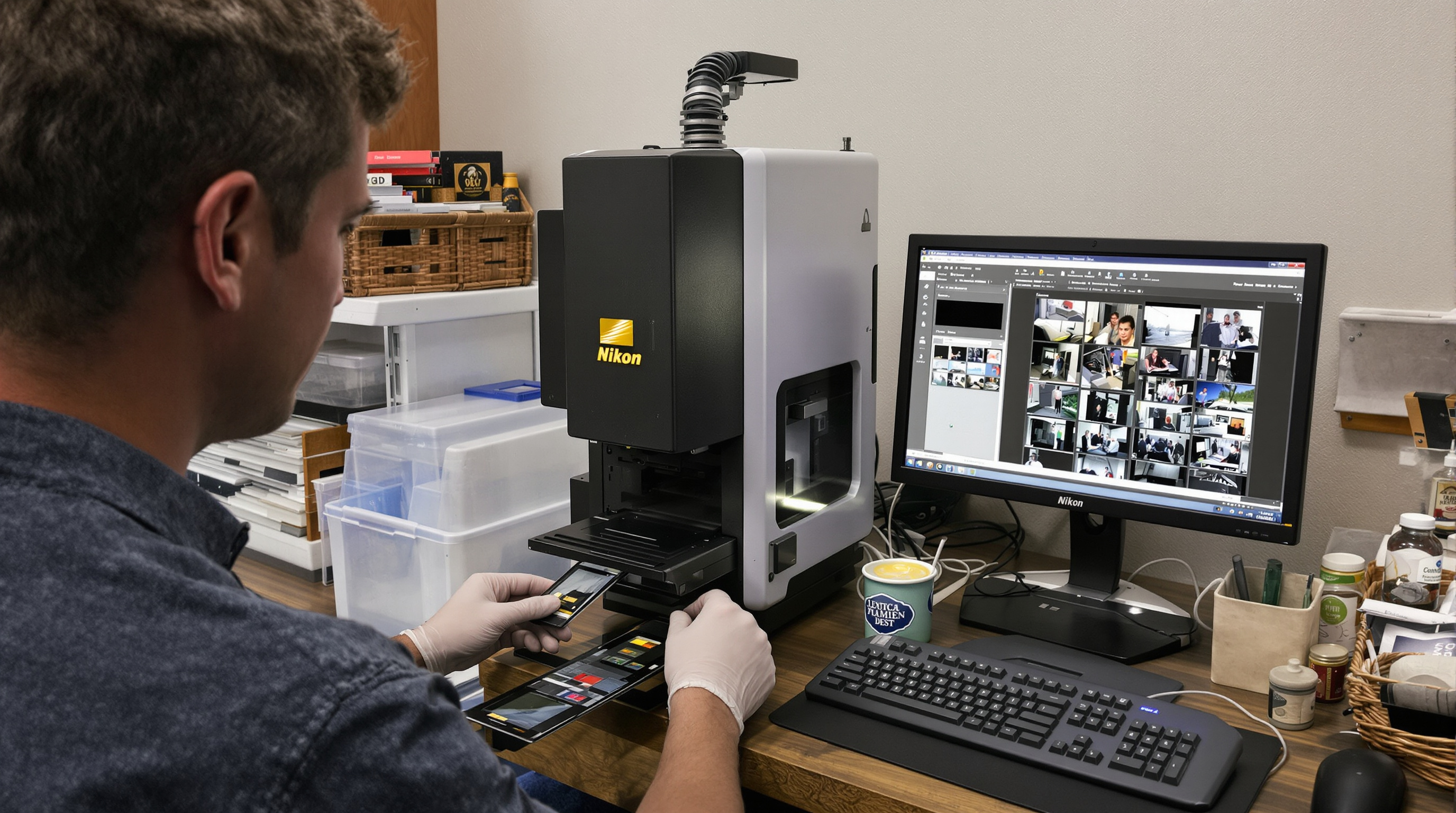
Negative Scanning in Louisville: Digitize Slides & Film with Pro Quality
In the digital age, countless precious memories remain trapped in old film negatives and slides tucked away in shoeboxes and albums. Professional negative scanning services in Louisville, Kentucky offer specialized expertise to transform these physical memories into digital treasures. From 35mm slides to film strips, proper digitization ensures your irreplaceable visual history is preserved with optimal resolution, color accuracy, and organization for generations to come.
The Value of Professional Negative Scanning Services in Louisville
Louisville's specialized scanning services offer significant advantages over consumer-grade scanning solutions. Professional technicians employ high-end equipment capable of extracting maximum detail from your film materials. These services typically utilize drum scanners or dedicated film scanners that produce significantly higher quality results than flatbed scanners or DIY methods.
What to Look for in a Louisville Provider
- Dedicated film scanning hardware rather than multipurpose devices
- Manual color correction capabilities to address color shifting in aged film
- Dust and scratch removal technology such as Digital ICE or manual restoration
- Experience with diverse film formats including 35mm negatives, slides, and medium/large format film
- Proper handling procedures to protect delicate originals
Optimal Resolution for Film Digitization: Making the Right Choice
Resolution selection is crucial when digitizing film materials. While higher resolution captures more detail, it also creates significantly larger files. Most professional services offer several options based on your intended use:
| Scan Level | Typical Range | Best For |
|---|---|---|
| Standard resolution | 2000-3000 DPI | Viewing on screens and making small prints |
| High resolution | 4000-6000 DPI | Archival purposes and larger prints |
| Ultra-high resolution | 8000+ DPI | Specialized applications like museum archives or large-format printing |
TIFF vs. JPEG for Archival Scans
When scanning to TIFF format—the industry standard for archival digitization—be aware that file sizes increase dramatically with resolution. A single 35mm frame scanned at 4000 DPI can produce a 100MB+ TIFF file. This superior format preserves all image data without compression, unlike JPEGs which discard information to reduce file size.
Preserving Color Accuracy in Slide and Negative Conversion
Color accuracy represents one of the most challenging aspects of film digitization. Professional services in Louisville employ several techniques to ensure faithful color reproduction:
Color Calibration
Calibration systems ensure scanner hardware accurately captures the film's true colors using industry-standard color targets.
Manual Correction
Experienced technicians address the unique challenges of various film stocks and aging characteristics.
Balanced Workflow
The best providers combine automated tools with human review to manage quality and cost.
Common Causes of Color Shift
- Slides and negatives from the 1960s-1980s with faded dyes
- Improperly stored materials exposed to heat or humidity
- Consumer film processed with unstable chemicals
- Certain film brands known for poor dye stability
Professional services often include basic color correction in their standard rates, with more extensive restoration available for severely degraded materials.
Organizing and Managing Your Digitized Film Collection
After digitization, developing an effective organization system ensures your newly preserved memories remain accessible. Professional scanning services in Louisville typically offer several organizational approaches:
Organization Methods
- Chronological organization: Arranging images by date when known
- Event-based grouping: Keeping vacation, holiday, or special occasion images together
- Subject-based categorization: Organizing by people, places, or themes
- Original container preservation: Maintaining the organization of original slide carousels or negative sheets
Optional Add-Ons
- Basic metadata tagging with dates, locations, and people when information is available
- Custom database creation for large collections
- Integration with photo management software
- Backup solutions for long-term preservation
Establishing a consistent workflow for reviewing and further organizing your digitized images after receiving them ensures maximum usability of your digital archive. Consider using software like Adobe Lightroom, Google Photos, or specialized digital asset management systems for ongoing curation.
As film continues to deteriorate over time, professional digitization represents not just convenience but true preservation. Louisville's scanning specialists combine technical expertise with an understanding of preservation priorities, transforming fragile physical media into robust digital archives. Whether preparing family histories for future generations or preserving historical materials, these services offer the optimal balance of quality, accessibility, and long-term stability for your irreplaceable visual memories.