The Art and Science of Film Photography in the Digital Age
T.K. Broecker / 4 January 2026
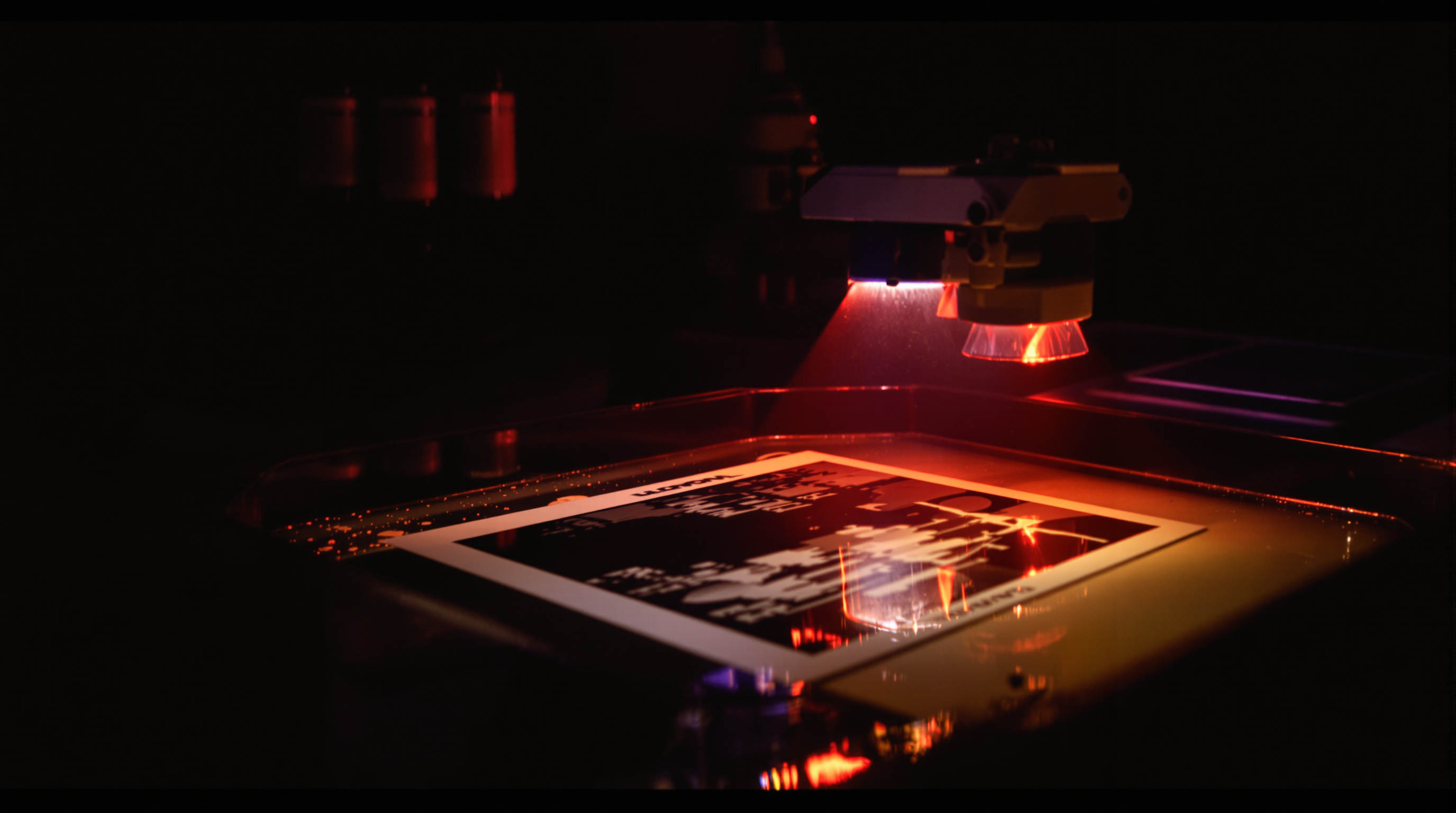
The Enduring Art of Film Photography – Louisville’s Love for Analog Craft
While most of today’s photography happens with the tap of a smartphone, film photography continues to thrive in Louisville and beyond. It’s not just nostalgia—it’s a deeper connection to the art and craft of image-making. The tactile process, the anticipation, and the texture of real film produce results that digital can’t quite replicate.
The Science and Craft Behind Film Photography
Film photography begins with chemistry and ends in artistry. Film captures light on an emulsion made of silver halide crystals suspended in gelatin. When developed, those crystals react to light exposure and create a visible image—a process known as selective reduction.
In the darkroom, developers and fixers transform those invisible light patterns into a permanent image. Each film type—from classic black-and-white to color negative—reacts differently, giving every roll a distinct look and feel.
- • Kodak T-Max – smooth tones and low grain for clean, modern results
- • Ilford HP5 – a classic choice for rich midtones and flexibility in development
- • Fujifilm Pro 400H – known for gentle skin tones and soft colors
For a deeper look at how traditional film development works, see National Geographic’s guide to the science of film photography.
Learning Exposure the Film Way
Shooting film slows you down—in a good way. Without instant previews, photographers rely on understanding light, shadows, and contrast. One classic method still used today is the Zone System developed by Ansel Adams. It divides the tonal range into 11 steps from pure black to pure white, helping photographers control exposure with artistic precision.
Film handles highlights and shadows differently from digital sensors. Most color negatives can handle a stop or two of overexposure, giving them their famous creamy highlights and natural tones. This flexibility rewards both experimentation and careful craftsmanship.
The Aesthetic of Film – Grain, Tone, and Imperfection
Film grain isn’t a flaw—it’s part of the beauty. Those tiny silver particles add texture and depth, creating a sense of mood that’s difficult to reproduce digitally. Each film stock has its own grain structure, contributing to its personality.
- • Fine-grain films like Kodak Ektar 100 deliver crisp, high-detail images
- • Classic films like Tri-X 400 bring timeless, artistic grit
- • High-speed films such as Delta 3200 embrace strong grain for low-light drama
These textures, along with occasional light leaks or chemical variations, contribute to what many photographers call the “soul” of film. The unpredictability of analog photography encourages creative accidents that become part of each artist’s signature.
For a community that celebrates film’s imperfections and artistry, visit Ilford Photo’s guide on why film still matters.
Why Film Photography Is Thriving in Louisville
Louisville’s creative scene has fully embraced the analog revival. From photography clubs to local darkrooms, film shooters across the city are keeping the craft alive. Local labs like The Print Refinery® – Louisville East help process, scan, and print film for both beginners and professionals.
The process of loading film, winding the camera, and developing each frame fosters patience and intention—values that resonate with both new artists and experienced photographers. Each step in the process becomes part of the creative journey.
Film and Digital – Working Together
Many modern photographers mix film and digital, using film for its depth and color while relying on digital tools for post-processing and sharing. This hybrid workflow blends old and new, giving artists flexibility without losing film’s unique character.
Once developed, high-resolution scans preserve each film image for easy editing or printing. This balance allows artists to enjoy the tactile experience of film while taking advantage of digital convenience.
The Timeless Magic of Film
Film photography endures because it feels human—imperfect, deliberate, and full of life. Each roll tells a story not just of the subject but of the process behind it. Whether shot on a vintage Nikon, a modern Leica, or a disposable camera, every frame captures light in a way that’s uniquely tangible.
The resurgence of film reminds us that technology doesn’t always replace—it sometimes revives. Louisville’s growing community of film enthusiasts proves that analog photography isn’t a lost art, but an evolving one.
Ready to rediscover film photography? Develop and scan your rolls locally at The Print Refinery® – Louisville East.
Start Your Film Journey